ERVP delivers comprehensive water supply management consultancy services focused on resilient, efficient, and sustainable water systems. Our Water Infrastructure and Public Health Engineering division supports municipalities, industrial clients, and commercial stakeholders in planning, designing, and managing large-scale public water infrastructure.
With multidisciplinary expertise and advanced digital tools, ERVP transforms complex water challenges into long-term, sustainable water management solutions that serve both present and future demands.
Integrated Water Supply & Distribution Systems
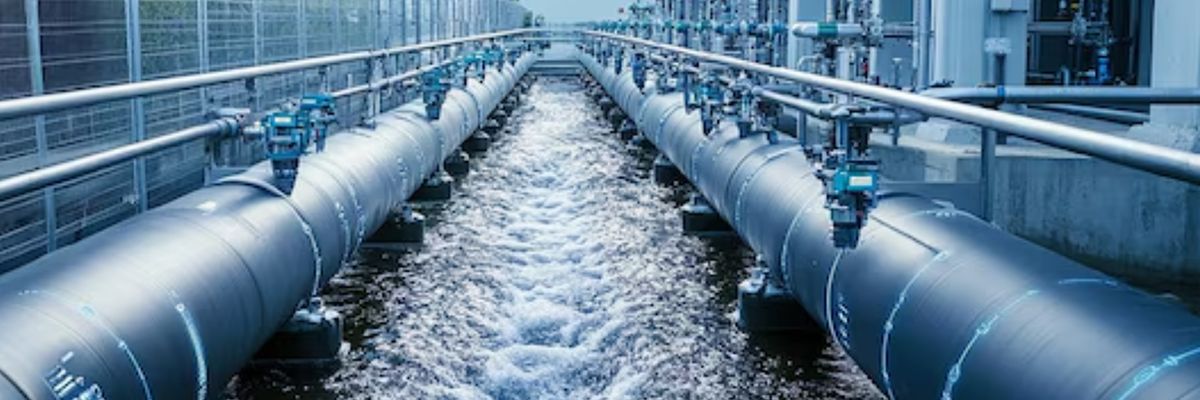
Effective water supply design services begin with strategic planning and detailed engineering. ERVP provides end-to-end consultancy for urban water management and national-scale distribution systems.
Our services include:
- Planning and design of water distribution systems
- Hydraulic modeling and network optimization
- Design of bulk transmission pipelines
- Urban water management strategies for expanding cities
- Public water infrastructure engineering
Our approach ensures efficient water supply solutions for cities while maintaining long-term operational sustainability.
Water Treatment & Sustainable Water Management Solutions
Access to safe water depends on robust treatment systems. ERVP designs advanced water treatment solutions that meet regulatory standards and performance benchmarks.
Our expertise includes:
- Water Treatment Plant (WTP) design
- Seawater Treatment Plant (STP) engineering
- Industrial water treatment solutions
- Process optimization for cost-effective operations
- Sustainable water management solutions integrating environmental safeguards
We ensure that every project balances technical performance with environmental responsibility.
Wastewater & Industrial Water Engineering
Modern water supply management must address wastewater and industrial discharge responsibly.
ERVP provides:
- Wastewater Treatment Plant (WWTP) design
- Effluent treatment systems
- Pollution abatement strategies
- Environmental compliance planning
- Consultancy services for water management in industrial zones
Our solutions are engineered to minimize ecological impact while supporting industrial productivity.
Plan Sustainable Water Infrastructure with ERVP
Partner with ERVP for professional water supply management consultancy and water supply design services tailored to your project requirements.
Get a free personal business consultation today and discuss your water infrastructure project with our experts.
Hydrology, Drainage & Riverine Engineering
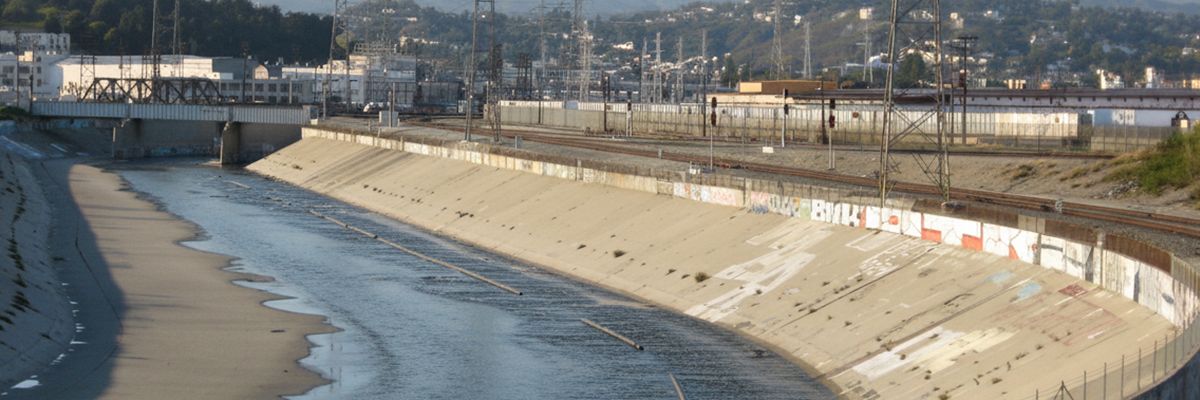
Sustainable water supply systems require accurate hydrological assessment and drainage planning.
- Advanced drainage planning
- Culvert and cross-drainage design
- Flood and peak-flow analysis
- Riverine engineering support
- Environmental and social impact studies
These services strengthen system resilience and reduce long-term operational risk.
Strategic Project Management & Digital Engineering
As part of our water supply management consultancy, ERVP integrates technology and structured project oversight to ensure delivery efficiency.
Our capabilities include:
- Project Management Consultancy (PMC)
- Digital project monitoring (e-PMC systems)
- BIM and 3D modeling for infrastructure projects
- Carbon tracking and sustainability assessment
- Pre-bid advisory and techno-economic feasibility studies
This ensures cost-effective, disciplined project delivery in water infrastructure development.
Why Choose ERVP for Water Supply Management Consultancy?
- Integrated in-house engineering capability
- Experienced multidisciplinary water engineering team
- Strong regulatory and compliance understanding
- Data-driven design through advanced surveys and soil testing
- Focus on sustainable, efficient, and scalable infrastructure
ERVP supports municipalities, industries, and commercial stakeholders seeking reliable and future-ready water infrastructure.
Plan Sustainable Water Infrastructure with ERVP
Partner with ERVP for professional water supply management consultancy and water supply design services tailored to your project requirements.
Get a free personal business consultation today and discuss your water infrastructure project with our experts.
Frequently Asked Questions
What is water supply management consultancy?
Water supply management consultancy involves planning, designing, and optimizing water distribution systems, treatment plants, and public water infrastructure. ERVP provides end-to-end consultancy services for water management across urban and industrial sectors.
How does ERVP design sustainable water supply systems?
ERVP integrates hydraulic modeling, environmental assessment, and sustainable water management solutions to ensure long-term efficiency and regulatory compliance in every project.
What are the best practices for water supply design?
Best practices include accurate demand forecasting, resilient distribution planning, water quality monitoring, and energy-efficient treatment processes. ERVP applies these principles in all water supply design services.
How can municipalities improve water supply efficiency?
Municipalities can improve efficiency through network optimization, leak reduction strategies, modern treatment technologies, and structured project management. ERVP supports cities with efficient water supply solutions tailored to local needs.
Does ERVP provide consultancy services for water management in industrial projects?
Yes. ERVP offers consultancy services for water management, including industrial water treatment solutions, wastewater systems, and compliance-driven infrastructure planning.