Urban growth without structure leads to congestion, inefficiency, and infrastructure stress. ERVP provides professional urban planning services and urban design consultancy designed to create resilient, scalable, and economically viable urban environments.
Our approach to sustainable urban planning integrates land use optimization, infrastructure planning, transportation systems design, and environmental stewardship into a single coordinated framework. ERVP supports government agencies, urban planners, and developers in delivering structured urban development strategies aligned with regulatory and financial realities.
Comprehensive Urban & Regional Planning
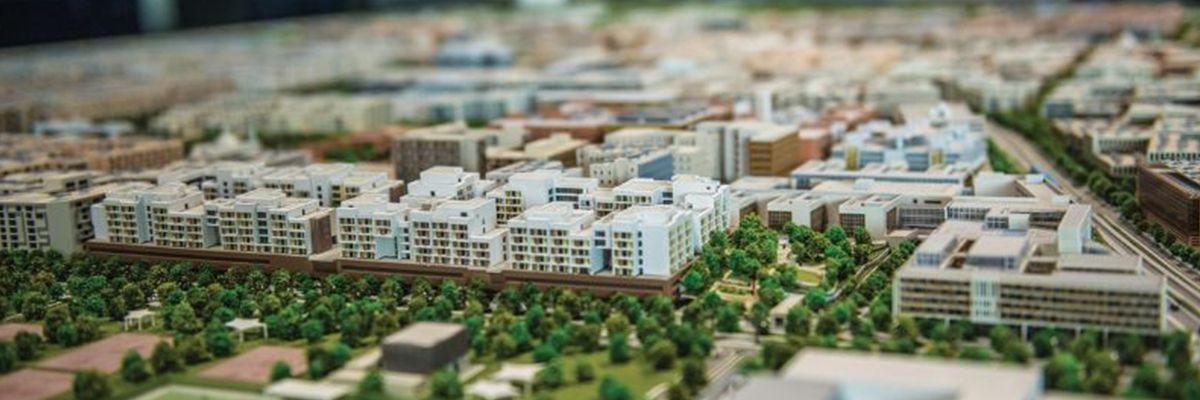
ERVP delivers structured urban planning consultancy services in India across multiple scales — from regional strategies to city-level master plans.
Our capabilities include:
- Master Planning and integrated urban layouts
- Regional and zonal development frameworks
- Land use optimization for balanced growth
- Mixed-use and real estate planning advisory
- Infrastructure planning aligned with statutory regulations
Each project is developed with long-term infrastructure capacity, demographic trends, and financial feasibility in mind.
Sustainable Urban Planning & Smart City Integration
Sustainable urban planning must be measurable and implementable. ERVP integrates technical modeling, GIS-based planning, and digital simulations to ensure accuracy in decision-making.
Our expertise includes:
- Smart city frameworks and digital infrastructure planning
- GIS mapping and spatial data analysis
- BIM and 3D modeling for integrated infrastructure design
- Environmental and ESG-aligned planning strategies
We ensure that sustainability objectives translate into executable urban development outcomes.
Structure Your Urban Development Strategy with ERVP
Engage ERVP for professional urban planning services and sustainable urban design consultancy tailored to your project scale.
Get a free personal business consultation to evaluate your urban planning requirements and implementation roadmap.
Integrated Transport & Urban Mobility Solutions
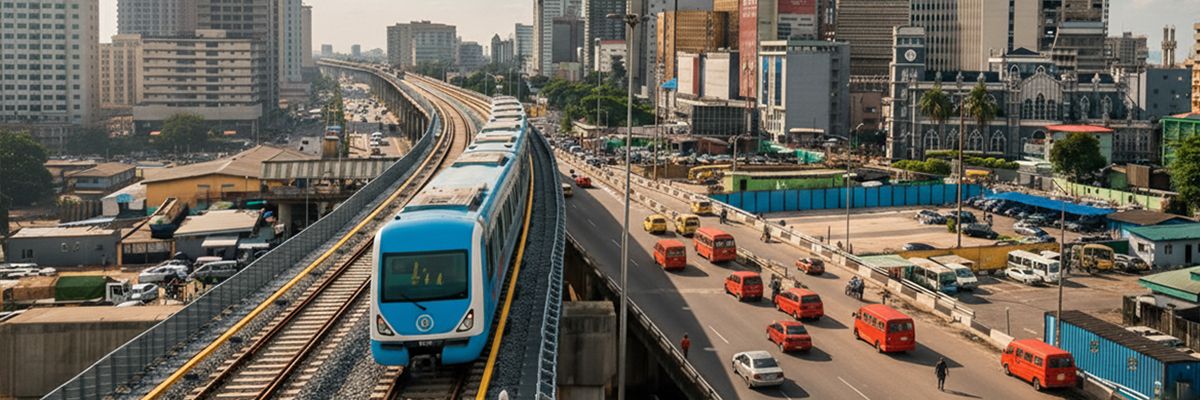
Urban design and mobility cannot function independently. ERVP provides transportation systems design and integrated transport systems in urban areas to ensure efficient movement across city networks.
Our services include:
- Traffic impact assessments
- Urban mobility and transportation solutions
- Transit-Oriented Development (TOD) planning
- Road safety audits and accessibility integration
This ensures alignment between land use optimization and transportation infrastructure performance.
Infrastructure & Utility Integration
Effective strategies for urban infrastructure require coordination between utilities, water systems, and mobility corridors.
ERVP integrates:
- Infrastructure planning for utilities
- Water supply management consultancy coordination
- Drainage and environmental system planning
- Public utility corridor optimization
This reduces long-term operational risk and improves infrastructure lifecycle performance.
Technical Advisory & Project Governance

ERVP acts as a strategic advisor and Project Management Consultant (PMC) for complex urban infrastructure initiatives.
We provide:
- Techno-economic feasibility studies
- Detailed Project Reports (DPRs)
- Regulatory and institutional coordination
- Financial viability assessments
- Structured implementation oversight
Our advisory ensures that urban planning projects are technically sound, budget-aligned, and implementation-ready.
Why Choose ERVP for Urban Design Consultancy?
- Multidisciplinary in-house expertise
- Structured and data-driven planning methodology
- Integrated transport and infrastructure coordination
- Sustainability-focused urban frameworks
- Implementation-oriented advisory approach
ERVP delivers urban planning services that combine regulatory compliance, economic viability, and long-term urban resilience.