Rail infrastructure development requires precision-driven engineering, regulatory compliance, and long-term performance planning. ERVP provides specialized railway infrastructure design consultancy services in India, supporting railway project managers, government agencies, and private sector stakeholders involved in infrastructure development.
With structured expertise in railway engineering services and multidisciplinary execution capability, ERVP delivers technically sound and execution-ready rail infrastructure solutions across new developments, network upgrades, and modernization initiatives.
End-to-End Railway Design Services & Detailed Engineering
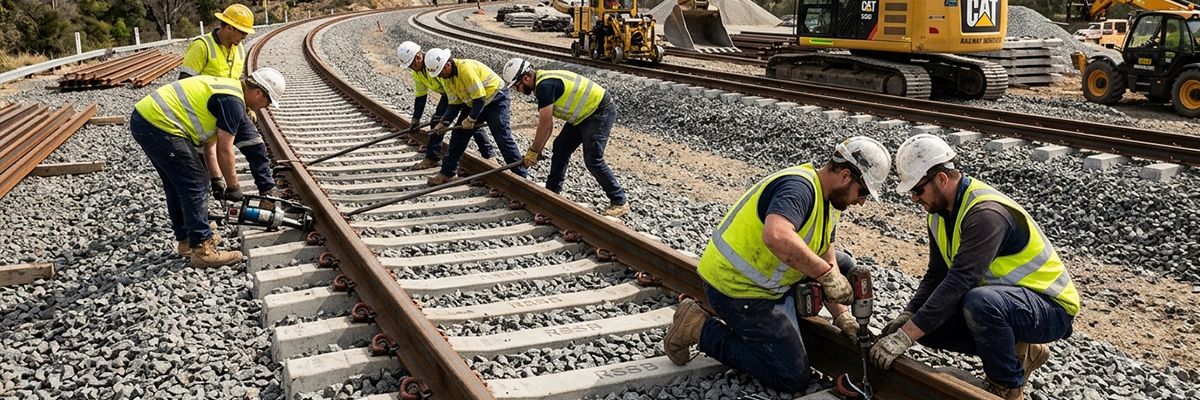
ERVP provides comprehensive railway design services, delivering Detailed Project Reports (DPRs) and structured engineering documentation to support rail infrastructure implementation.
Our services include:
- Track alignment and formation design
- Cross-sectional profile development
- Railway bridges, viaducts, and Foot Over Bridges (FOBs) design
- Hydraulic and drainage planning
- Culverts and cross-drainage structures
- Structural modeling and load analysis
Each engagement is aligned with relevant national standards and project-specific operational requirements to ensure resilient and scalable railway infrastructure solutions.
Advanced Railway Systems & Strategic Rail Infrastructure Consultancy
Modern rail networks demand system-level integration and long-term operational planning. ERVP provides rail infrastructure consultancy across:
- High-Speed Rail (HSR) feasibility studies
- Regional Rapid Transit Systems (RRTS) advisory
- Capacity expansion and track doubling
- Railway systems integration and equipment planning
- Techno-economic analysis and performance optimization
Our railway engineering services integrate operational efficiency, scalability, and compliance-driven documentation to support large-scale transportation development.
Empirical Site Intelligence & Geotechnical Support
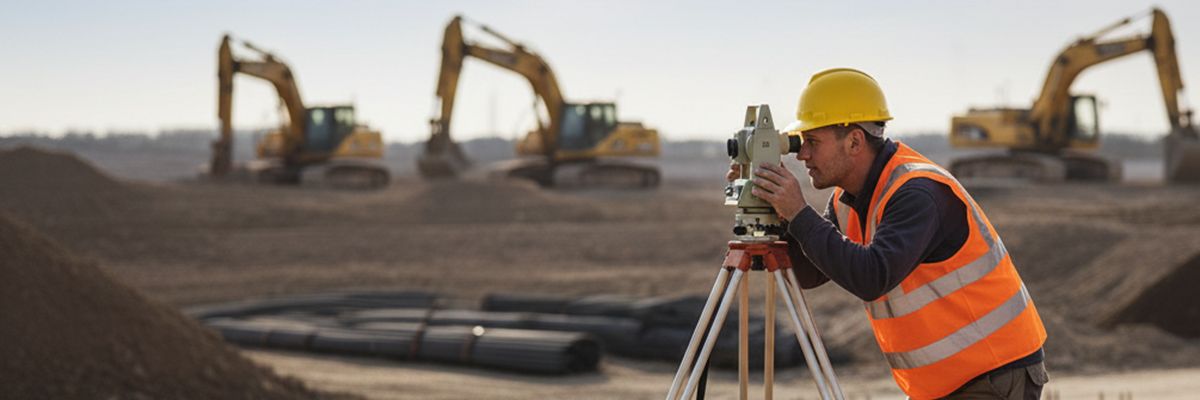
Reliable railway infrastructure design begins with precise site data and geotechnical evaluation. ERVP integrates in-house investigation and survey capabilities, including:
- Advanced topographical mapping using GPS and total stations
- Soil testing and geotechnical investigations
- Geological assessments for challenging terrain
- Tunnel and underground structure engineering
- Terrain and formation analysis
This ensures informed structural design and long-term stability across diverse project environments.
Schedule a Technical Consultation with ERVP
Whether you require conceptual railway infrastructure planning, detailed engineering design, railway safety engineering, or full-scale rail infrastructure consultancy, ERVP provides structured technical expertise aligned with project objectives.
Schedule a technical consultation with ERVP to discuss your railway infrastructure requirements and initiate a compliance-driven and execution-ready project roadmap.
For proposal discussions or pre-bid technical evaluation, connect with the ERVP team to begin a structured engagement.
Railway Safety Engineering & Compliance Framework

Safety remains a critical component of rail infrastructure development. ERVP incorporates railway safety engineering principles across all design stages, including:
- Risk assessment and hazard identification
- Structural safety validation
- Compliance with regulatory and safety standards
- Environmental and operational impact assessments
- Quality audits and third-party inspection support
By embedding safety and compliance at the design stage, ERVP enhances reliability, operational efficiency, and long-term infrastructure sustainability.
Railway Project Management & Implementation Support
ERVP supports railway stakeholders through structured railway project management and consultancy services, including:
- Pre-bid technical assistance
- RFQ/RFP evaluation support
- Design-build contract advisory
- Digital project oversight (e-PMC)
- BIM-based linear infrastructure modeling
- Quality monitoring and compliance audits
As a General Engineering Consultant (GEC), ERVP aligns engineering outputs with implementation timelines and regulatory expectations.
Benefits of Railway Infrastructure Design Consultancy
Professional railway infrastructure design consultancy improves:
- Network capacity planning and scalability
- Cost-effective railway design solutions
- Regulatory and safety compliance
- Long-term maintenance optimization
- Operational efficiency across rail corridors
ERVP structures consultancy engagements to balance technical performance, safety compliance, and economic feasibility.
Schedule a Technical Consultation with ERVP
Whether you require conceptual railway infrastructure planning, detailed engineering design, railway safety engineering, or full-scale rail infrastructure consultancy, ERVP provides structured technical expertise aligned with project objectives.
Schedule a technical consultation with ERVP to discuss your railway infrastructure requirements and initiate a compliance-driven and execution-ready project roadmap.
For proposal discussions or pre-bid technical evaluation, connect with the ERVP team to begin a structured engagement.
Frequently Asked Questions
What is railway infrastructure design consultancy?
Railway infrastructure design consultancy involves planning, engineering design, compliance verification, and implementation support for rail networks and associated structures. ERVP provides integrated railway engineering services tailored to infrastructure development projects.
How to design railway infrastructure?
Designing railway infrastructure requires site investigation, alignment planning, structural engineering, drainage assessment, and safety compliance review. ERVP follows structured engineering methodologies to ensure technically sound rail infrastructure solutions.
What are the benefits of railway infrastructure design consultancy?
Engaging a railway infrastructure design consultancy improves planning accuracy, cost efficiency, regulatory compliance, and operational safety. ERVP delivers integrated solutions that enhance long-term rail network performance.
What are best practices in railway engineering?
Best practices include compliance-driven design, geotechnical validation, safety integration, lifecycle cost optimization, and system-level coordination. ERVP incorporates these practices within its railway engineering services framework.
How can railway safety and efficiency be improved?
Railway safety and efficiency can be improved through structured alignment planning, risk assessment, drainage optimization, and regular compliance audits. ERVP integrates railway safety engineering principles during design and implementation stages.