Bridge infrastructure demands advanced structural analysis, hydrological precision, and compliance-driven engineering. ERVP provides specialized bridge engineering consultancy and bridge design consultancy services in India, supporting government agencies, construction companies, and infrastructure developers in delivering technically sound and durable bridge assets.
With multidisciplinary expertise in civil engineering bridges, ERVP delivers integrated design, investigation, proof checking, and project supervision solutions across transportation and urban infrastructure projects.
Comprehensive Bridge Design Services
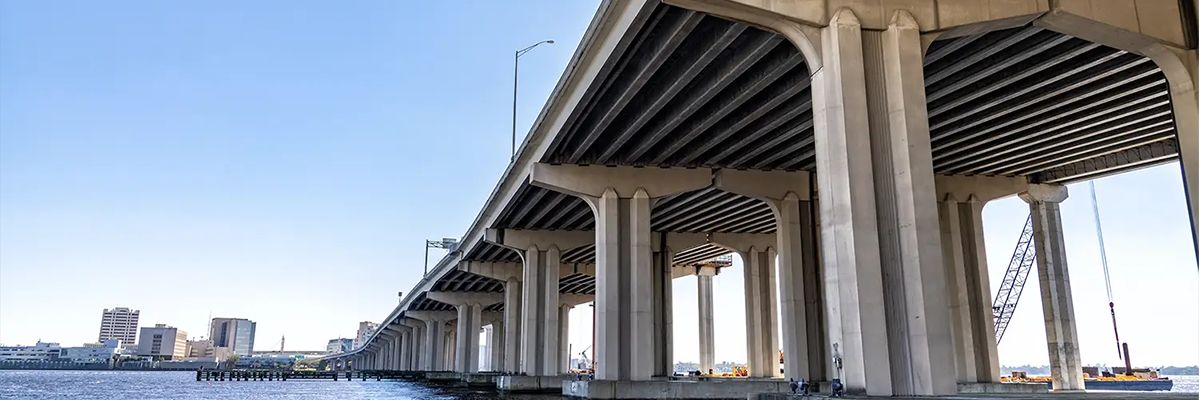
ERVP offers structured bridge engineering solutions across diverse typologies and structural systems:
- Segmental bridges
- Cable-stayed bridges
- Suspension and arch bridges
- Truss bridges
- Long-span expressway bridges
- Elevated flyovers design
- Road Over Bridges (ROBs) and grade separators
- Urban viaducts and transit corridors
Our bridge design services integrate structural analysis, geometric optimization, seismic resilience, and constructability considerations to ensure long-term performance and safety compliance.
Advanced Survey, Investigation & Structural Inputs
Accurate engineering begins with precise field data and material investigation. ERVP integrates in-house survey and technical investigation capabilities, including:
- Topographical surveys using GPS and total stations
- Geotechnical and soil testing investigations
- Aggregate and material analysis
- Geological and seismic assessments
- Traffic surveys for capacity optimization
These inputs support informed decision-making in river bridge construction, elevated corridor development, and complex structural projects.
Specialized River Hydrology & Waterway Engineering
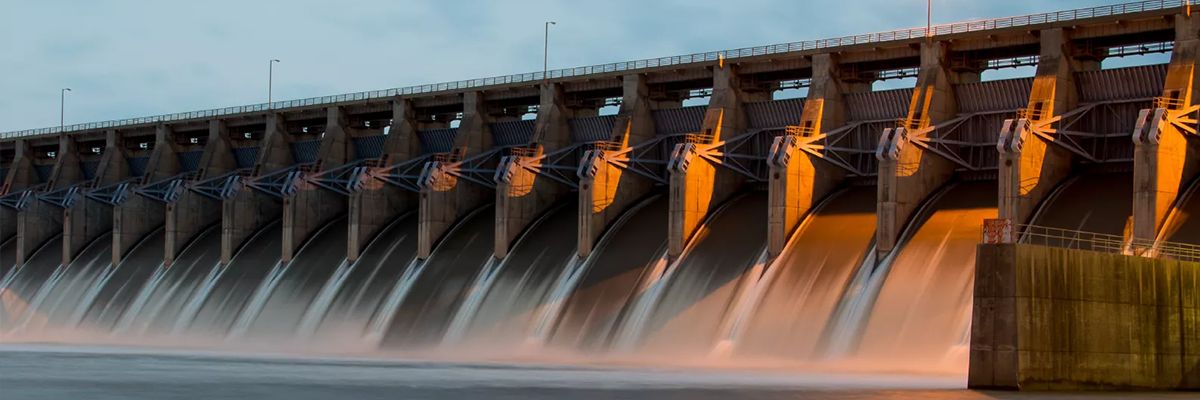
Riverine bridge projects require detailed hydrological understanding and water flow analysis. ERVP provides technical support for:
- Peak discharge analysis and hydrological investigations
- Scour depth and foundation stability assessment
- Cross-drainage and waterway planning
- River training and environmental impact considerations
This ensures resilient and regulation-compliant bridge structures in flood-prone and high-flow environments.
Integrated Design, Proof Checking & Consultancy
ERVP acts as a multidisciplinary partner across all stages of bridge development:
- Detailed structural engineering design
- Feasibility and techno-economic studies
- Independent proof checking consultancy
- Third-party design review services
- Project Management Consultancy (PMC)
- General Engineering Consultancy (GEC)
Our structured review mechanisms enhance compliance with IRC and relevant national standards while strengthening project safety and accountability.
Specialized Expertise in Cable-Stayed & Long-Span Structures
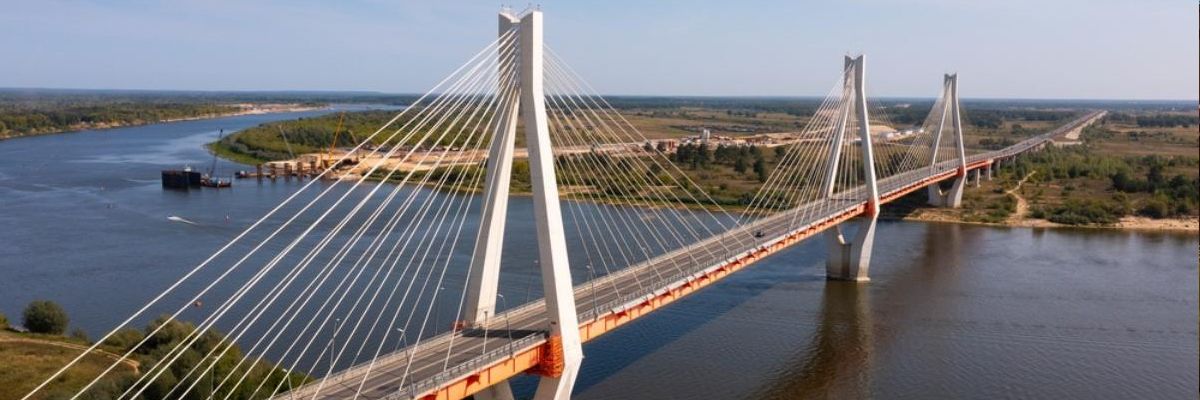
Cable-stayed bridges are often selected for long spans and aesthetic urban applications due to structural efficiency and reduced foundation demand. ERVP’s bridge engineering consultancy includes:
- Structural modeling for cable-stayed bridges
- Pylon and deck optimization
- Dynamic load analysis
- Seismic and wind load evaluation
By leveraging advanced structural tools and performance modeling, ERVP ensures optimized and cost-conscious solutions for complex span requirements.
Get a Free Personal Business Consultation
If you are planning a road infrastructure project in India — whether at the feasibility, DPR, design, or supervision stage — ERVP provides structured technical and advisory expertise.
Get a free personal business consultation with Team ERVP to discuss your roads and highways consultancy requirements and explore a solution aligned with your project goals.
Optimization, Rehabilitation & Asset Longevity
ERVP supports infrastructure owners beyond design through:
- Value engineering and structural optimization
- Special repair and rehabilitation schemes
- Structural safety audits
- Lifecycle performance enhancement
- Environmental and sustainability integration
This strengthens long-term durability and performance across bridge infrastructure assets.
What is Bridge Design Consultancy?
Bridge design consultancy involves structural planning, technical analysis, compliance verification, cost estimation, and construction-stage support for bridge infrastructure projects. ERVP provides end-to-end bridge design services aligned with safety standards, funding requirements, and engineering best practices.
Cost of Bridge Engineering Services in India
The cost of bridge engineering services depends on span length, foundation type, hydrological complexity, soil conditions, structural system selection, and documentation requirements. ERVP structures consultancy engagements based on defined technical scope and regulatory compliance needs.
Why Choose ERVP for Bridge Engineering Consultancy
- Multidisciplinary capability in civil engineering bridges
- Experience across long-span and urban bridge systems
- Structured proof checking and compliance-driven design
- Integrated hydrology and geotechnical expertise
- Alignment with national safety and regulatory standards
ERVP delivers technically rigorous and execution-focused bridge engineering consultancy tailored to transportation and public infrastructure projects.
Schedule a Technical Consultation with ERVP
Whether you require conceptual bridge planning, detailed structural design, river bridge construction advisory, or independent proof checking consultancy, ERVP provides structured engineering support aligned with project objectives and compliance frameworks.
Schedule a technical consultation with ERVP to discuss your bridge engineering requirements and initiate a technically sound project roadmap.
For proposal discussions or project-specific technical evaluation, connect with the ERVP team to begin a structured engagement.
Frequently Asked Questions
What does a bridge engineering consultancy do?
A bridge engineering consultancy provides structural design, feasibility analysis, hydrological assessment, proof checking, and construction-stage advisory for bridge projects. ERVP delivers integrated bridge design services aligned with regulatory standards.
How to design a bridge?
Bridge design involves site investigation, load analysis, structural modeling, foundation design, and compliance verification. ERVP follows structured civil engineering bridge design processes incorporating hydrology, geotechnical inputs, and seismic considerations.
What are the advantages of cable-stayed bridges?
Cable-stayed bridges allow longer spans with reduced deck weight and improved aesthetic appeal. ERVP evaluates structural efficiency, cost implications, and site conditions before recommending cable-stayed systems.
What is proof checking consultancy in bridge projects?
Proof checking consultancy involves independent technical review of structural design calculations and drawings to ensure safety and compliance. ERVP provides structured proof checking consultancy services for bridge and special structure projects.
What is the cost of bridge engineering services?
The cost depends on project span, structural complexity, foundation type, hydrological conditions, and documentation scope. ERVP defines consultancy scope clearly to ensure transparency in bridge engineering service engagements.