Clean Air, Safe Home: Practical Solutions to Protect Your Family from Air Pollution
A science-backed guide for Indian households to reduce PM2.5 and indoor toxins using affordable tools and smart habits
Why Air Pollution Is India's Silent Health Emergency
India, especially North India, faces a grave health crisis every winter – the deadly rise of PM2.5 and other air pollutants is reducing life expectancies dramatically and causing more deaths than Covid-19 in urban regions like Delhi. Shockingly, simply breathing Delhi air can be as bad as smoking seven cigarettes a day during peak pollution. While government efforts are ongoing, they may not be sufficient on their own, and individuals are encouraged to take proactive steps to ensure their families’ safety.
Understanding PM2.5: The Invisible Killer
PM2.5 (Particulate Matter ≤2.5 µm) consists of tiny, harmful solid and liquid particles, including sulfates, nitrates, black carbon, and mineral dust. Their microscopic size lets them penetrate deep into the lungs, entering the bloodstream and affecting vital organs — heart, brain, and more. Health risks include:
- Asthma, heart attacks, strokes, lung cancer, diabetes, and cognitive decline.
- Children are particularly vulnerable, with recent studies showing 43% of pollution-related illnesses in 2025 affecting kids.
For any pollution solution, focus on reducing PM2.5 levels both outdoors and inside your home.
How to Measure Air Pollution at Home
- Buy an Air Quality Monitor: Reliable PM2.5 measuring devices are available in market at reasonable cost. Many modern air purifiers have built-in PM2.5 and CO₂ monitors.
- WHO Guidelines: Annual average PM2.5 should be under 5 µg/m³; 24-hour average under 15 µg/m³. For practical Indian conditions, consider 20 µg/m³ as the red line for healthy indoor air.
Use weather apps for daily pollution levels; chances are, North Indian cities regularly exceed 200 µg/m³ during winter.
Step 1: Seal Doors and Windows
Studies show that up to 96% of indoor PM2.5 comes from outdoor air. During peak pollution:
- Keep windows and doors tightly sealed: Use foam or rubber strips to eliminate gaps.
- Close up during high AQI times: Peak events like Diwali can see outdoor levels soar to 300–400 µg/m³ — 100x the WHO limit.
This simple step can reduce indoor PM2.5 by 12–76%.
Step 2: Smart Cleaning Practices
Dry sweeping (Jhaadu) dramatically increases airborne dust and PM levels — one study in Korea showed an 8x rise in PM10 after sweeping.
- Avoid dry sweeping: Mop floors with a wet cloth or use a HEPA-filter vacuum.
- Wet cleaning traps particles: Wet methods ensure pollutants are captured, not recirculated.
Step 3: Mind the CO₂ Trap
Sealed rooms can lead to a dangerous build-up of CO₂ — not toxic, but can cause fatigue, poor concentration, and headaches.
- Ventilate during low AQI hours: Open windows for cross-ventilation when outdoor pollution dips. Ten–fifteen minutes suffices to clear CO₂, but PM2.5 spikes immediately on opening.
- Monitor both PM2.5 and CO₂: Devices that show both help balance air safety and freshness.
Step 4: Choose the Right Air Purifier
The heart of effective air purification is the filter, not the brand or fancy appearance. Key factors:
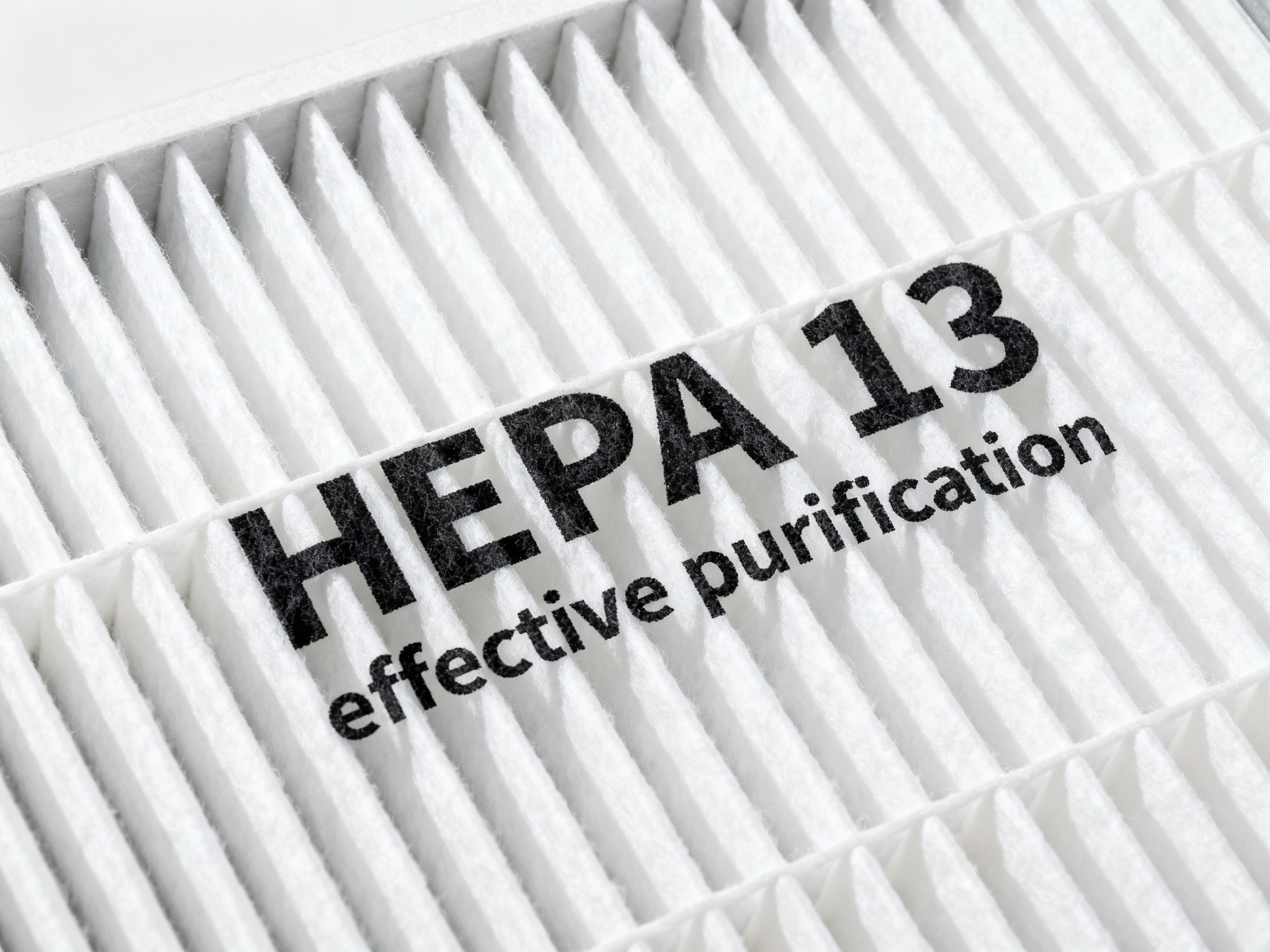
- HEPA 13 Filter Minimum: Filters labelled "True HEPA 13" can remove 99.95% of PM2.5. HEPA 14 is even better but mostly found in industrial settings.
- Beware misleading labels: Avoid "HEPA-like" or "HEPA-type" filters — only "True HEPA" delivers certified protection.
- CADR (Clean Air Delivery Rate): For a 300 sq ft room, look for CADR of at least 200 cubic feet/minute. Higher ceilings require even more.
- Activated Carbon Filters: Useful for VOCs (volatile organics from paints, cosmetics), but not essential, as PM2.5 is the bigger concern.
- Filter Replacement Cost: HEPA filters need swapping every 6–12 months; factor this cost before buying.
Place air purifiers in rooms where the family spends the most time, like bedrooms. Ideally, have one in every room for best results.
Step 5: DIY Air Purifier for Budget Homes
If commercial purifiers are too expensive (₹10,000+), build a simple, effective purifier at home:
- Materials: 1 box fan (₹1000–1500), 4 HEPA 13 filters (₹5000), duct tape, cardboard.
- Process: Create a sealed box with filters on four sides and the fan on top. This DIY solution can lower PM2.5 by as much as 73%, as proven by NIOSH research in the US.
Step 6: Understand the Limits of Plants
Plants offer psychological and aesthetic benefits, and can help reduce VOCs and CO₂ slightly. However, their effect on PM2.5 is negligible unless you have hundreds per room:
- Meta-analysis found you’d need 10–1000 plants per square meter for a meaningful impact, which is impractical.
- Studies show Aloe Vera reduces PM2.5 by only 5.2%, and even Money Plant’s effect drops as pollution increases.
Feel free to keep houseplants, but don’t rely on them as the main air cleaning solution.
Step 7: Tackle Indoor Pollution Sources
Many Indian habits amplify indoor air pollution:
- Cooking: Gas stoves and cooktops emit both PM2.5 and harmful gases.
- Incense and candles: Lighting incense sticks can send PM2.5 levels in a small room rocketing to 779 µg/m³ — more than outdoor smog.
- Best practice: Minimize use, ventilate when cooking or lighting incense, and avoid burning candles indoors.
Step 8: Family Health Precautions
With pollution-related illnesses on the rise (and nearly half affecting children), ensure health and financial security:
- Consider term and health insurance to protect family from high hospital bills caused by pollution-induced illnesses.
Conclusion: A Collaborative Approach to Clean Air for Your Family
While government agencies and environmental organizations are working toward large-scale air quality improvement, individual and household-level actions remain equally important in protecting our families from indoor air pollution. By implementing practical measures—such as properly sealing your home, adopting intelligent cleaning and ventilation practices, investing in certified HEPA filtration systems (or constructing DIY alternatives), and managing indoor pollution sources—you can significantly reduce your family's exposure to harmful particulate matter. These evidence-based strategies, grounded in scientific research from institutions like NIOSH and WHO guidelines, empower you to create a healthier living environment within your immediate control. When combined with broader community and policy-level efforts, such household-level interventions contribute meaningfully to public health outcomes. Every conscientious step toward air quality improvement, no matter how incremental it may seem, accumulates into substantial health benefits for your loved ones. Taking proactive responsibility for your family's air quality today is an investment in their wellbeing and longevity health depends on them.
Key Resources & References
- WHO Air Quality Guidelines
- NIOSH “National Institute for Occupational Safety and Health”, Washington Health Dept studies